Safety
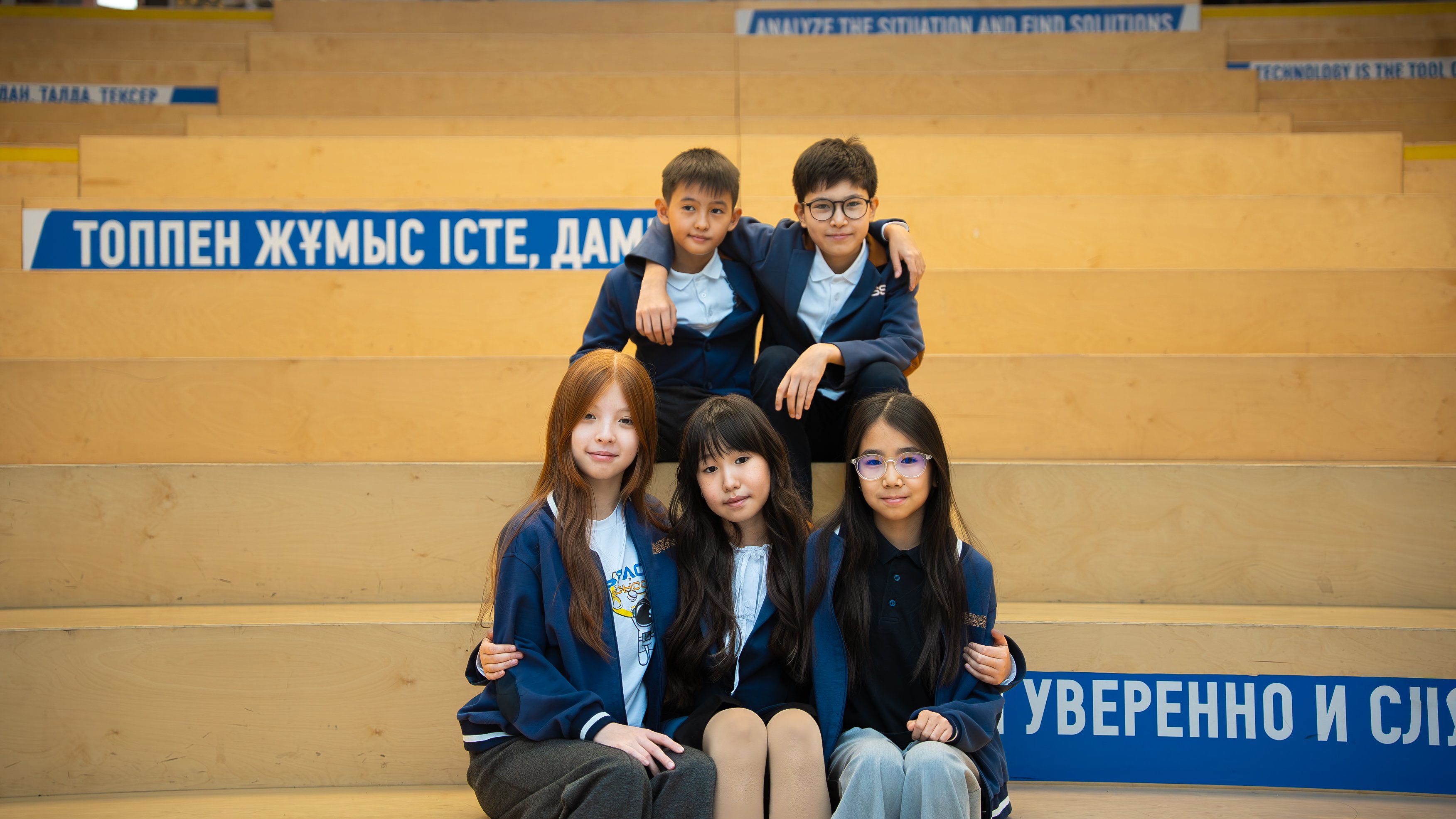
Safety is not just about security guards and cameras. It is a complete environment where a child is protected physically, emotionally, and socially. Space School builds all three levels simultaneously.
Physical security
The school operates on a closed perimeter system. It is impossible to enter or leave without verification — this is monitored by several levels of control at once:
- Face ID at the entrance — a facial recognition system that records everyone entering and exiting
- Turnstiles with automatic access control
- Professional security on the school grounds throughout the entire school day
- Concierge service at the entrance — greets parents, escorts students, and monitors visitors
- Video surveillance system covering all corridors, entrances, recreation areas, and the territory around the school
A child can only leave the school accompanied by an adult. Leaving independently is only possible with a written request from a parent — no verbal agreements or exceptions.
Protection against bullying
The most common school threat is not external, but internal. That is why Space School runs the PSHE (Personal, Social, Health and Economic education) program — a British methodology that systematically teaches children emotional literacy, healthy relationships, respect for boundaries, and conflict resolution skills.
These are not lectures "on the dangers of bullying," but regular classes where children learn to:
- recognize toxic behavior — in themselves and others
- talk about their feelings and ask for help
- resolve conflicts without aggression
- see boundaries and respect those of others
The PSHE program is a standard in British schools. According to research by the UK Department for Education, schools with systematically implemented PSHE show significantly lower levels of bullying and emotional problems among students.
Teachers as mentors
At Space School, every child has an adult they can turn to — not just for help with math, but with a personal problem. Teachers are trained to respond to signs of stress, conflict, or emotional difficulties. The principle is simple: the child is heard, their experience is not invalidated, and a solution is always sought together with them.
School psychologist
The school has a full-time psychologist whom a child or parent can contact at any time. The psychologist conducts individual consultations, group sessions, and monitors the emotional state of the students. All requests are confidential.
This is especially important during periods of adaptation: when transferring from another school, during family changes, or when preparing for exams. Support is available immediately, not just "when things are already bad".